

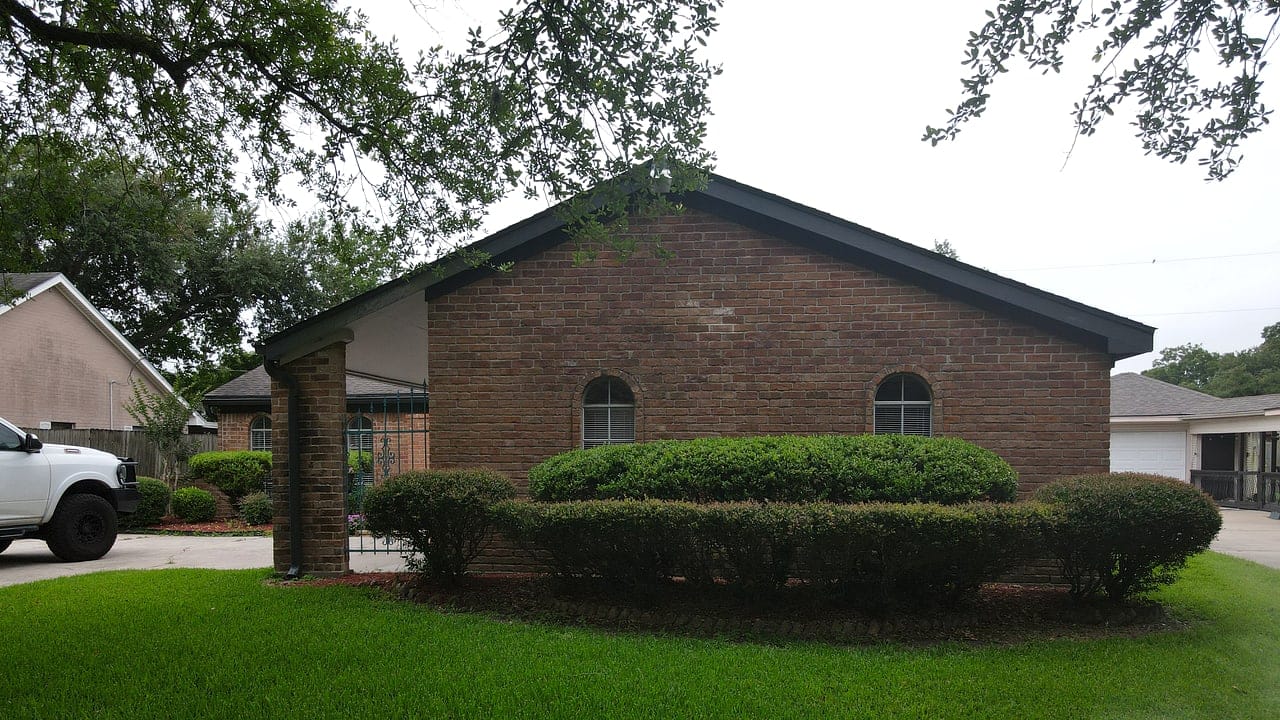
Finding the perfect home is exhilarating, but a home inspection can sometimes reveal unexpected issues. Don't worry, though! Negotiating repairs or credits is a common part of the home buying process. This post will guide you through the negotiation process and help you make informed decisions.
Understanding the Inspection Process
Home inspections are crucial for uncovering potential problems that may not be visible to the untrained eye. A thorough inspection will assess various aspects of the property, including:
- Structural components: Foundation, walls, roof, framing
- Electrical systems: Wiring, panels, outlets, safety features
- Plumbing systems: Pipes, fixtures, water heater, drainage
- HVAC systems: Heating and cooling equipment, ductwork
- Insulation and ventilation: Attic, crawlspaces
Collaborating with Your Agent
After receiving the inspection report, review it carefully with your real estate agent. Their expertise will help you understand the findings, prioritize repairs, and develop a negotiation strategy.
Prioritizing Repairs
Categorize the identified issues by their severity and estimated repair costs. Focus on major problems like foundation issues or electrical hazards, as these can significantly impact safety and value.
Requesting Repairs or Concessions
Once you've prioritized the repairs, you can negotiate with the seller to address them. You have a few options:
- Request Repairs: Ask the seller to complete the necessary repairs before closing.
- Request a Credit: Negotiate a credit towards closing costs to cover the repair expenses.
- Renegotiate the Price: If the repairs are extensive, you might consider renegotiating the purchase price to reflect the needed work.
Remember that sellers are not always obligated to make repairs, especially in an "as-is" sale or a competitive market.
Key Considerations for Negotiation
- "As-Is" Sales: Even in "as-is" sales, you can still request repairs or credits for major issues discovered during the inspection.
- Market Conditions: In a seller's market, you may have less leverage in negotiations.
- Walk-Away Point: Know your limits and be prepared to walk away from the deal if the seller is unwilling to address critical issues.
Protecting Your Interests
- Inspection Contingency: Include an inspection contingency in your purchase contract to allow you to back out or renegotiate if significant problems are found.
- Professional Advice: Consult with your real estate agent and potentially a real estate attorney to ensure your rights and interests are protected throughout the negotiation process.
The Post-Inspection Battle Plan: 48 Hours to Act
The moment your digital inspection report arrives, the clock begins ticking on your Texas Option Period. In most contracts, buyers negotiate a 5- to 10-day option window. By Day 3 or 4, you must transition from report analysis to decisive negotiation strategy. Waiting until the final 24 hours creates immense stress and leaves zero margin to gather contractor estimates or negotiate amendments.
Drafting TREC Form 39-8: Amendment to Contract
In Texas, all repair agreements must be formally executed using TREC Form 39-8 (Amendment to Contract). When drafting repair requests, precision is everything. Never write vague requests like 'Repair electrical panel' or 'Fix roof leak.' Instead, reference the exact report page, section, and code requirement:
- Licensed Master Trades: Specifically mandate that repairs must be performed by state-licensed master trades (e.g., licensed master electricians or plumbers).
- Permits & Inspections: Require all applicable municipal building permits and official city inspection sign-offs prior to closing.
- Invoices & Transferable Warranties: Mandate that itemized contractor paid receipts, work scopes, and transferable warranties be delivered to the buyer 3 business days before closing.
The Power of Closing Credits Over Physical Repairs
Experienced Texas buyers and agents overwhelmingly favor closing cost credits or purchase price reductions over seller-executed repairs. Sellers under contract are motivated to hire the cheapest, fastest subcontractor available. A closing credit puts funds directly in your hands at settlement, allowing you to hire trusted, licensed contractors who warrant their work directly to you.
When to Walk: Exercising Your Unrestricted Right to Terminate
If the inspection reveals catastrophic systemic defects—such as widespread foundation failure, collapsed underground sewer mainlines, or toxic mold infestation—and the seller refuses reasonable concessions, remember that you hold the unrestricted right to terminate. Submitting TREC Form TXR-1902 (Notice of Buyer's Termination of Contract) prior to 5:00 PM on the final option day guarantees the full return of your earnest money deposit.
Need an Objective Forensic Property Inspection?
Residential Pre-Purchase, ASTM E2018 Commercial PCAs, Termite WDI, Sewer Camera Scopes, and FLIR Thermal Infrared diagnostics across Greater Houston, Galveston, and Brazoria.
