

In commercial real estate transactions across Texas, the deal structure is established long before a formal Purchase and Sale Agreement (PSA) is drafted. The foundational negotiations occur within the Letter of Intent (LOI). For commercial brokers, investors, and syndicators, structuring the inspection and feasibility contingency clauses within the LOI is critical to ensuring thorough due diligence and protecting earnest money.
1. The Feasibility Period: Duration and Triggers
A standard commercial feasibility period ranges from 30 to 60 days depending on property complexity. Crucially, the clock must not begin running upon mutual LOI execution; it must trigger only upon delivery of the "Seller Due Diligence Package."
2. Essential Due Diligence Document Checklist
The LOI should mandate delivery of the following critical property records within 5 to 7 days of contract execution:
- As-built architectural, structural, and MEP engineering drawings.
- Complete certified rent roll and all tenant leases with amendments and estoppel certificates.
- Three-year historical operating expense statements and utility billing histories.
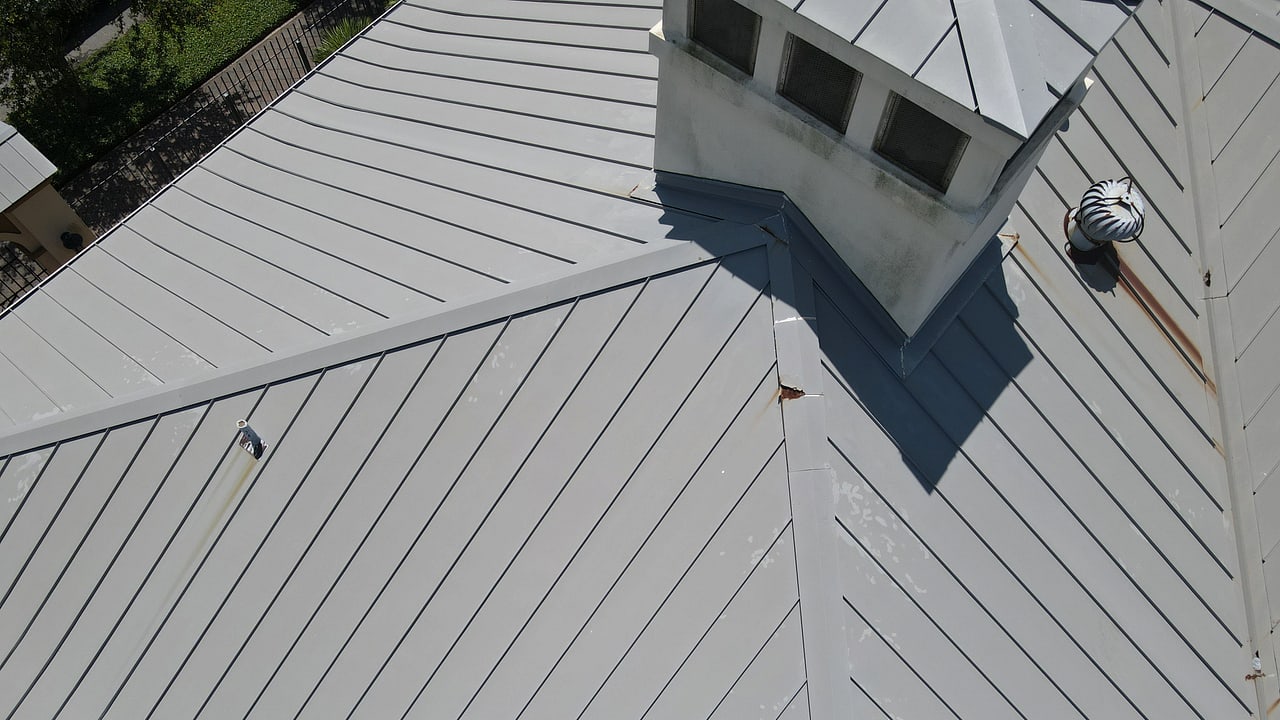
- Roof warranties, mechanical HVAC service logs, and elevator maintenance contracts.
- Prior Phase I Environmental Site Assessments, geotechnical soil reports, and Property Condition Assessments.
- Certificates of Occupancy and open building or fire code violation notices.
3. Free Right of Entry and Phase II Testing Carve-Outs
Sellers routinely push back against "invasive testing." However, your commercial LOI must explicitly grant the buyer and their consultants (such as Secured Inspections) the right to perform non-destructive testing, roof thermal scans, electrical thermography, and camera sewer inspections. Furthermore, if a Phase I ESA identifies a Recognized Environmental Condition (REC), the clause must grant the right to perform Phase II soil and groundwater sampling without seller interference.
4. Texas Real Estate Commission (TREC) Strategic Playbook for Agents
Navigating inspection due diligence under TREC promulgated contracts requires seamless collaboration between real estate brokers, buyers, and forensic inspectors. High-producing Texas agents implement these proven best practices:
- Option Period Calendar Management: Establishing a firm 24-hour booking deadline following contract execution to guarantee sufficient runway for inspection report delivery, specialty trade contractor bids, and amendment drafting before the strict 5:00 PM termination deadline.
- Itemized Contractor Bids vs. Ballpark Estimates: Pairing inspection report findings with written, itemized estimates from licensed master tradesmen (electricians, plumbers, foundation specialists) to substantiate credit requests under TREC Form 39-11 (TXR 1903).
- Clear Separation of Major Deficiencies from Maintenance: Protecting transaction momentum by focusing seller negotiations exclusively on structural, mechanical, electrical, and health/safety deficiencies while preserving routine cosmetic maintenance for post-closing buyer repairs.
- Fiduciary Documentation & Liability Protection: Maintaining written records of inspection recommendations, including optional diagnostic scopes (sewer scope, mold testing, termite WDI), to satisfy brokerage risk management and TREC Rule §535.148 compliance.
By coupling objective forensic inspection data with disciplined contract management, agents safeguard their clients' earnest money while keeping complex transactions moving smoothly toward successful closing.
Need an Objective Forensic Property Inspection?
Residential Pre-Purchase, ASTM E2018 Commercial PCAs, Termite WDI, Sewer Camera Scopes, and FLIR Thermal Infrared diagnostics across Greater Houston, Galveston, and Brazoria.
