
Condominium living offers prime urban locations, low-maintenance lifestyles, and shared luxury amenities. However, condo purchases carry complex dual-risk profiles governed by the Texas Uniform Condominium Act (TUCA, Texas Property Code Chapter 82). Buyers must evaluate not only the interior private unit (the "unit"), but also the structural integrity and financial solvency of the common elements.
1. Texas Property Code §82.157: The Resale Certificate
Under Texas law, condo purchasers have the right to receive and review a formal Condominium Resale Certificate executed by the homeowners association. Key audit points include:
- Reserve Account Balance vs. Reserve Study: Does the HOA maintain a recent professional Reserve Study? Is the reserve fund adequately funded (ideally >70%), or is it severely depleted?
- Special Assessments: Are there any approved or contemplated special assessments for major capital replacements (roofing, chiller replacement, structural siding)?
- Pending Litigation: Is the HOA currently suing the original builder for construction defects, or being sued by contractors? Pending litigation can freeze conventional mortgage financing.
2. Cantilevered Balconies and Waterproofing Membranes
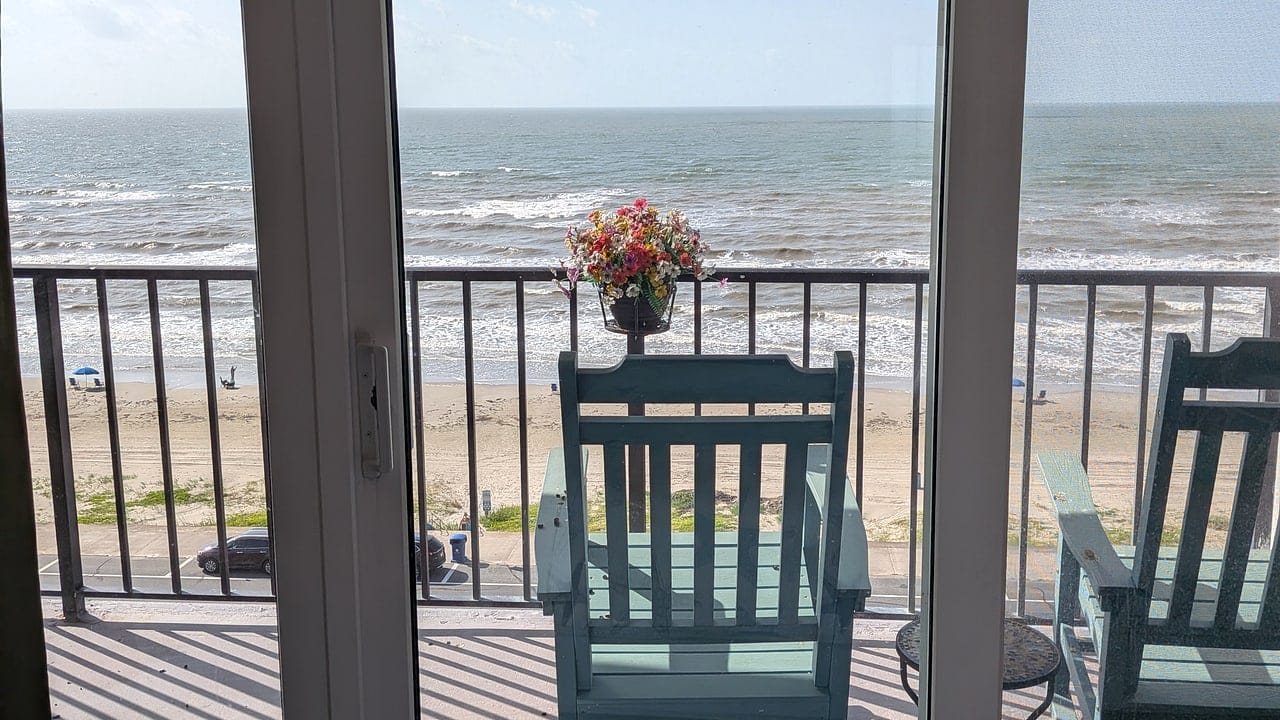
In high-density mid-rise and coastal condominium developments, exterior cantilevered balconies represent a severe structural liability. Water penetrating beneath balcony tile or unsealed perimeter railings rots internal wooden joists or corrodes reinforcing steel in post-tensioned concrete slabs. Secured Inspections audits balcony railings for proper 200-pound structural load resistance and verifies waterproof membrane pitch to prevent water draining back toward living room sliding glass doors.
3. Interior Unit Systems & Building Shared Infrastructure
Inside the condo unit, inspectors evaluate whether HVAC systems rely on individual split heat pumps or shared building cooling tower loops, test fire suppression sprinkler heads, check acoustic sound isolation assemblies, and verify shutoff valve access for common plumbing stacks.
4. Texas Real Estate Commission (TREC) Strategic Playbook for Agents
Navigating inspection due diligence under TREC promulgated contracts requires seamless collaboration between real estate brokers, buyers, and forensic inspectors. High-producing Texas agents implement these proven best practices:
- Option Period Calendar Management: Establishing a firm 24-hour booking deadline following contract execution to guarantee sufficient runway for inspection report delivery, specialty trade contractor bids, and amendment drafting before the strict 5:00 PM termination deadline.
- Itemized Contractor Bids vs. Ballpark Estimates: Pairing inspection report findings with written, itemized estimates from licensed master tradesmen (electricians, plumbers, foundation specialists) to substantiate credit requests under TREC Form 39-11 (TXR 1903).
- Clear Separation of Major Deficiencies from Maintenance: Protecting transaction momentum by focusing seller negotiations exclusively on structural, mechanical, electrical, and health/safety deficiencies while preserving routine cosmetic maintenance for post-closing buyer repairs.
- Fiduciary Documentation & Liability Protection: Maintaining written records of inspection recommendations, including optional diagnostic scopes (sewer scope, mold testing, termite WDI), to satisfy brokerage risk management and TREC Rule §535.148 compliance.
By coupling objective forensic inspection data with disciplined contract management, agents safeguard their clients' earnest money while keeping complex transactions moving smoothly toward successful closing.
Need an Objective Forensic Property Inspection?
Residential Pre-Purchase, ASTM E2018 Commercial PCAs, Termite WDI, Sewer Camera Scopes, and FLIR Thermal Infrared diagnostics across Greater Houston, Galveston, and Brazoria.
