

A home inspection is an important part of the home buying process. It can help you identify potential problems with the property that could save you thousands of dollars down the road. However, it is important to remember that a home inspection is not a guarantee that the property is perfect. There may be some red flags that you should be aware of.
1. Here are some tips on how to spot red flags during a home inspection
- Don't be afraid to ask questions. The home inspector is there to answer your questions and help you understand the condition of the property. If you see something that looks suspicious, don't hesitate to ask the inspector about it.
- Pay attention to the inspector's report. The home inspector will provide you with a written report of their findings. Take the time to read the report carefully and look for any red flags.
- Get a second opinion. If you are concerned about any of the red flags that you have identified, you may want to get a second opinion from another home inspector.
2. Here are some specific red flags to look for
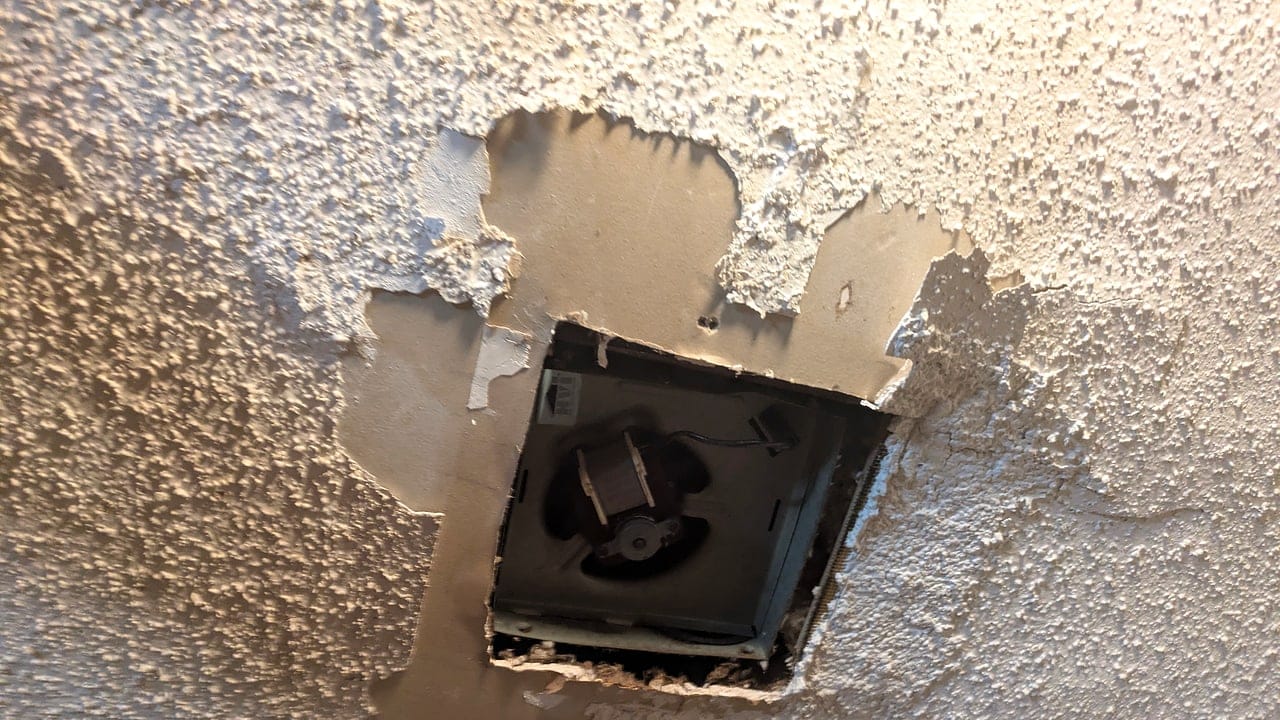
- Water damage. Water damage can be a sign of a more serious problem, such as a leaky roof or foundation. Look for signs of water damage, such as mold, mildew, or musty smells.
- Structural problems. Structural problems can be very costly to repair. Look for signs of structural problems, such as cracks in the foundation or walls, sagging floors, or bowed walls.
- Electrical problems. Electrical problems can be a fire hazard. Look for signs of electrical problems, such as frayed wires, overloaded circuits, or missing ground wires.
- Plumbing problems. Plumbing problems can lead to water damage and other costly repairs. Look for signs of plumbing problems, such as low water pressure, discolored water, or leaks.
- Pest infestation. A pest infestation can be a health hazard and can also cause damage to the property. Look for signs of pest infestation, such as droppings, nests, or dead insects.
- Heating and cooling problems. Heating and cooling problems can make a home uncomfortable and can also be costly to repair. Look for signs of heating and cooling problems, such as uneven temperatures throughout the home, inadequate insulation, or a malfunctioning HVAC system.
If you see any of these red flags, it is important to talk to the seller about them. You may be able to negotiate a lower price for the property or have the seller make repairs before you close on the sale.
We are committed to providing our clients with the information they need to make informed decisions about their home purchases.
3. Contact us today to schedule your home inspection.
4. Severe Foundation Differential Deflection
While cosmetic settling cracks are ubiquitous in Texas clays, differential elevation variances exceeding 1.5 inches across the foundation plane indicate active structural failure. When foundations settle unevenly, framing twists, plumbing lines rupture beneath the concrete slab, and roof trusses separate from top wall plates. Repairing failed slabs with pressed concrete or steel hydraulic piers routinely costs $12,000 to $25,000.
5. High-Hazard Electrical Panels: FPE, Zinsco & Challenger
Electrical service panels that fail to trip under direct overcurrent conditions pose an immediate life-safety hazard. Federal Pacific Electric (FPE) Stab-Lok panels and Zinsco/Sylvania panels have documented breaker failure rates exceeding 25%, resulting in catastrophic structure fires. Insurance underwriters frequently refuse property coverage until the panel is replaced with a modern Square D or Eaton panel ($2,500 to $4,500).
6. Collapsed or Root-Infested Cast Iron Mainline Sewers
Homes constructed prior to 1980 in the Houston metro area predominantly utilized cast iron waste pipes beneath the concrete slab. Over 40 to 50 years, sewer gasses and corrosive wastewater cause bottom channeling, pipe scale, and catastrophic bellies. Tunneling beneath a foundation to replace collapsed cast iron sewer mains costs between $250 and $400 per linear foot, routinely creating $15,000+ repair bills.
7. Active Moisture Intrusion & Hidden Fungal Colonization
Active roof leaks, failed shower pan membranes, and leaking plumbing supply lines create hidden moisture pockets in warm Texas wall cavities, incubating toxic mold spores (Stachybotrys chartarum and Aspergillus). Comprehensive remediation requires containment barriers, HEPA filtration, and licensed mold abatement protocols under TDLR regulations.
Need an Objective Forensic Property Inspection?
Residential Pre-Purchase, ASTM E2018 Commercial PCAs, Termite WDI, Sewer Camera Scopes, and FLIR Thermal Infrared diagnostics across Greater Houston, Galveston, and Brazoria.
