
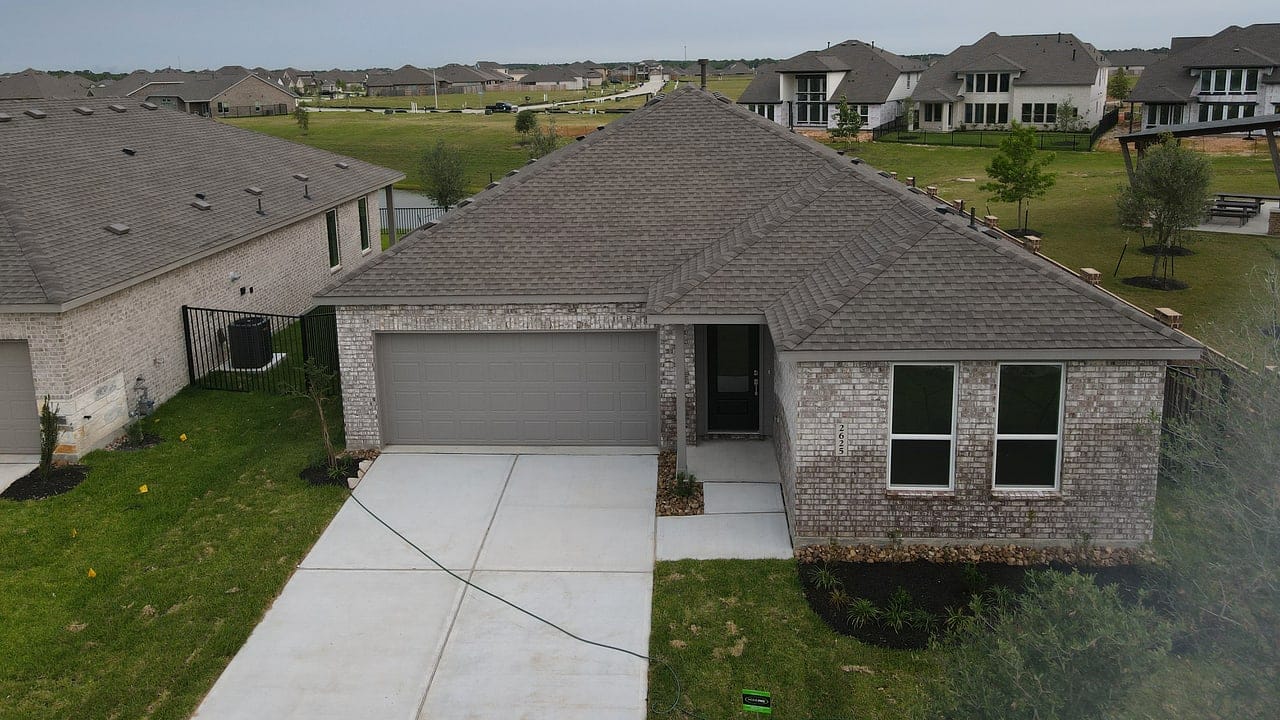
Buying a home is a major decision, both financially and emotionally. It's easy to get caught up in the excitement of finding your dream home, but it's important to remember that what you see isn't always what you get. A charming exterior can hide a multitude of problems that could turn your dream home into a costly nightmare.
That's where a home inspection comes in. A thorough inspection can uncover potential issues and help you make informed decisions about your purchase. Here's why it's an essential step for every homebuyer:
Unveiling Hidden Problems
A professional home inspector will meticulously examine the property, looking for signs of damage, deterioration, or potential safety hazards. They'll assess the major systems and components of the home, including:
- Structural integrity: Foundation, walls, roof, framing
- Electrical systems: Wiring, panels, outlets, and safety features
- Plumbing systems: Pipes, fixtures, water heater, and drainage
- HVAC systems: Heating and cooling equipment, ductwork, and ventilation
- Insulation and ventilation: Attic, crawl spaces, and energy efficiency
Addressing Issues Proactively
A home inspection not only identifies potential problems but also helps you address them proactively. You can use the inspection report to:
- Negotiate repairs with the seller: Request that the seller fix certain issues before closing.
- Factor repairs into your budget: Estimate the cost of necessary repairs and plan accordingly.
- Make an informed decision: Decide whether to proceed with the purchase or walk away if the issues are too significant.
Specialized Inspections
In addition to a general home inspection, consider these specialized inspections based on your specific needs and the property's location:
- Radon Inspection: Radon is a naturally occurring radioactive gas that can cause lung cancer. An inspection can identify potential radon entry points and recommend mitigation strategies.
- Water/Sewer Inspection: If the property has a well or septic system, these inspections are crucial to ensure the water supply is safe and the septic system is functioning correctly.
Tips for Homebuyers
- Attend the inspection: This allows you to ask questions and gain a better understanding of the property's condition.
- Be prepared for findings: Most homes have some issues, so be realistic and focus on prioritizing necessary repairs.
- Ask questions: Don't hesitate to ask your inspector for clarification or further explanation of any findings.
Conclusion
A home inspection is an invaluable investment that can save you time, money, and stress in the long run. By partnering with a qualified home inspector, you can make an informed decision about your purchase and enjoy peace of mind in your new home.
The Real Economics of Home Inspections: Protecting Your Balance Sheet
Purchasing residential real estate is the largest capital transaction most families will ever execute. In the whirlwind of house hunting, open houses, and mortgage approvals, some buyers are tempted to treat the home inspection as an optional line-item expense. In reality, a comprehensive independent home inspection is the most cost-effective risk mitigation policy in real estate. Investing $450 to $650 for an engineering-grade evaluation routinely uncovers $10,000 to $25,000 in latent mechanical, electrical, and structural liabilities.
Your Independent Fiduciary Advocate in the Transaction
Consider the financial incentives of every party involved in a real estate transaction:
- The Seller: Economically motivated to maximize sales price and minimize repair expenditures.
- The Real Estate Agents: Compensated exclusively upon successful closing of the transaction.
- The Mortgage Lender: Focused on loan qualification and paper property appraisal value.
- The Title Company: Insuring ownership title clarity, not physical building integrity.
The licensed home inspector is the only party in the entire transaction whose sole legal and ethical fiduciary obligation is to protect you. They have zero financial stake in whether the transaction closes, providing unvarnished, objective truth about the physical asset.
Uncovering Texas Gulf Coast Specific Building Defects
From Houston's smectite expansive clay soils to coastal storm wind-uplift pressures and subtropical humidity, Texas homes operate under extreme environmental stress. An experienced inspector systematically audits foundation deflection with digital altimeters, evaluates roof flashing kickouts, tests breaker panels with thermal infrared cameras, and audits plumbing distribution under pressure, ensuring you move into your home with absolute confidence.
Need an Objective Forensic Property Inspection?
Residential Pre-Purchase, ASTM E2018 Commercial PCAs, Termite WDI, Sewer Camera Scopes, and FLIR Thermal Infrared diagnostics across Greater Houston, Galveston, and Brazoria.
