

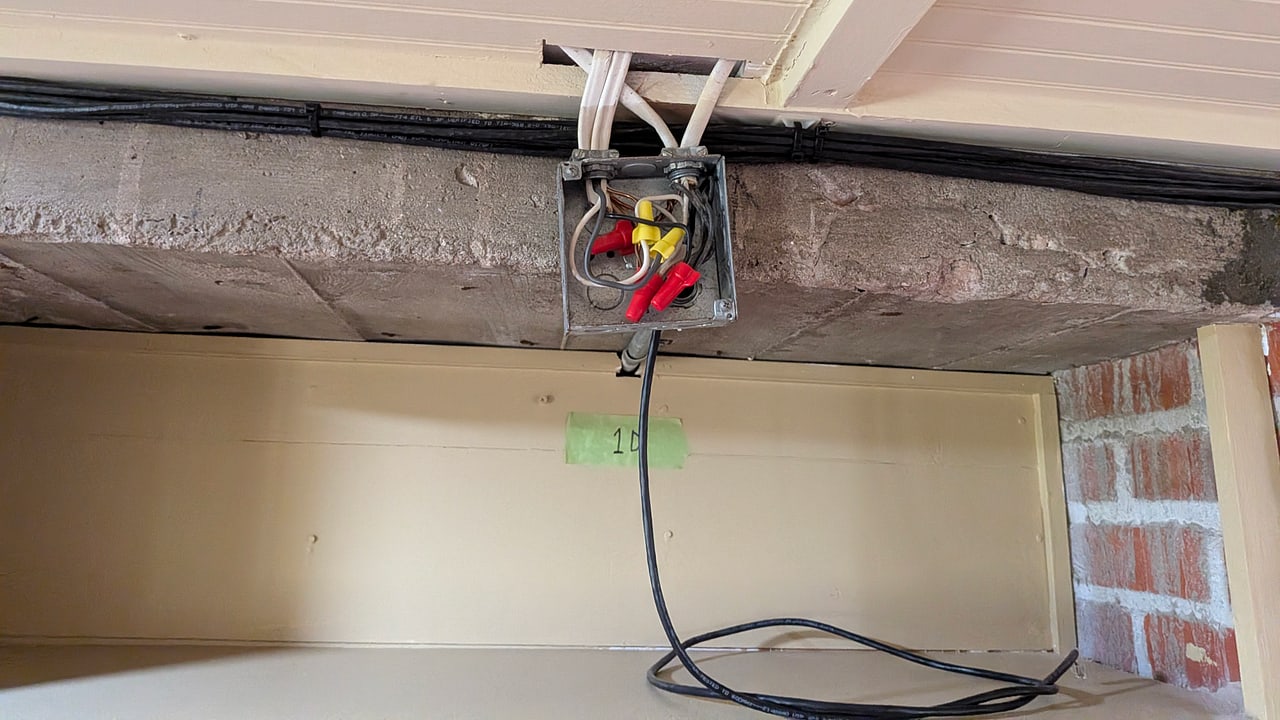
Electrical safety is non-negotiable. Faulty wiring or outdated electrical systems can pose significant fire hazards and safety risks. During your home inspection, being vigilant for electrical red flags is crucial for protecting yourself and your family.
Here are some tips on how to spot electrical problems during a home inspection
Check Outlets and Switches: Look for loose or damaged outlets and switches. Test all outlets to ensure they are functioning properly.
Inspect Wiring: If visible (e.g., in the basement or attic), look for frayed, exposed, or improperly connected wires.
Examine the Electrical Panel: Note the age and condition of the electrical panel. Look for signs of rust, corrosion, or amateur wiring. Ensure there are no obvious signs of overloaded circuits (e.g., multiple extension cords).
Test Ground Fault Circuit Interrupters (GFCIs): GFCIs are crucial in wet areas like kitchens and bathrooms. Ensure they are present and functioning correctly by pressing the test and reset buttons.
Look for Aluminum Wiring: In some older homes, aluminum wiring can be a fire hazard. Note if this type of wiring is present and inform your inspector.
If you identify any of these electrical red flags, it's vital to bring them to the attention of your home inspector. They will assess the safety and functionality of the electrical system and recommend necessary repairs or upgrades.
Addressing electrical issues promptly is essential for preventing potential hazards.
Ensure your potential home's electrical system is safe and sound with a thorough inspection from Secured Inspections.
Contact us today to book your inspection.
Panel Enclosure Forensics: Deadfront Audits & Wire Sizing
When a licensed inspector removes the deadfront cover of an electrical service panel, they are auditing the heart of the home's electrical distribution infrastructure. Critical hazards frequently discovered in Texas service panels include:
- Double-Tapped Neutral Conductors: Multiple white neutral wires terminated under a single screw terminal on the neutral bus bar. Under National Electrical Code (NEC 408.41), each neutral conductor must terminate in an individual terminal to prevent loose connections and neutral overheating.
- Over-fused Branch Circuits: 15-amp rated 14 AWG copper wire connected to a 20-amp breaker, creating a severe fire hazard where conductors can overheat inside wall cavities before the breaker trips.
- Missing Panel Bushings & Unsealed Knockouts: Sharp raw steel knockouts lacking protective plastic bushings, causing conductor insulation to fray from mechanical vibration.
Main Panel vs. Subpanel Neutral-to-Ground Separation
In residential electrical engineering, the neutral and ground buses must be bonded together at exactly ONE location: the primary service disconnect. In downstream subpanels (such as detached garages, swimming pool panels, or second-floor distribution centers), the neutral bus must remain completely isolated and floating from the metal panel enclosure and equipment ground bar. When subpanel neutrals are improperly bonded to ground, normal return current travels continuously through structural metal framing, creating serious shock hazards.
Thermal Infrared Diagnostics: Spotting High-Resistance Hotspots
Secured Inspections utilizes calibrated FLIR infrared thermal cameras to inspect panels under operational electrical load. High-resistance terminations, loose lug bolts, and internal breaker bimetallic contact fatigue glow brilliantly in thermal thermograms long before visible scorching or melting occurs, providing life-saving early warning.
Need an Objective Forensic Property Inspection?
Residential Pre-Purchase, ASTM E2018 Commercial PCAs, Termite WDI, Sewer Camera Scopes, and FLIR Thermal Infrared diagnostics across Greater Houston, Galveston, and Brazoria.
